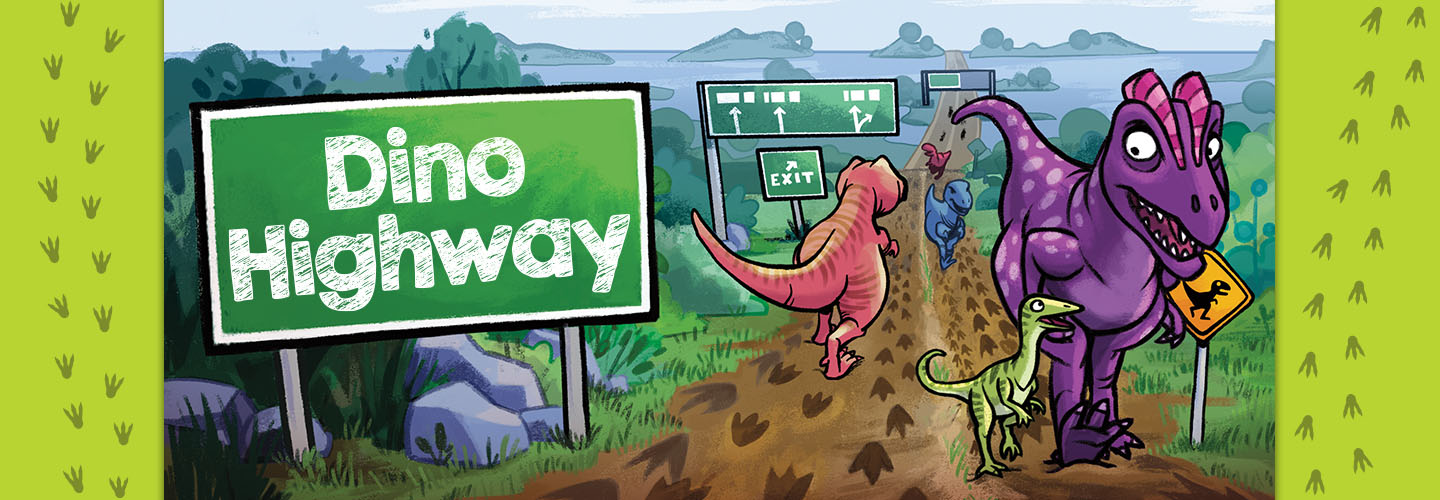
Los expertos dicen que el lugar fue en su día una autopista fangosa de dinosaurios. Hace millones de años, un grupo de dinosaurios llamados terópodos transitaba por ella. Los terópodos caminaban sobre dos patas. La mayoría tenía tres dedos en cada pata.
Las huellas más grandes miden unas 12 pulgadas de largo. Los científicos dicen que las podría haber dejado un terópodo de tamaño mediano como el alosaurio. Pesaba unas 6,000 libras. Las huellas más pequeñas miden unas 4 pulgadas de largo. Tal vez sean de un dinosaurio pequeño como el celofisis. Pesaba solo 60 libras.
Raúl Esperante es el paleontólogo que dirigió el equipo. Él dice que los científicos pueden aprender mucho de las huellas de dinosaurios. Por ejemplo, las huellas ayudan a los expertos a descubrir qué tan rápido se movían. Los rastros encontrados en Bolivia muestran que muchos de los dinosaurios caminaban, no corrían.
“Las huellas nos dan información que los huesos no nos dan”, dijo Esperante.